
Emergency Plumber in Dubai: 10 Steps to Protect Your Home Before We Arrive
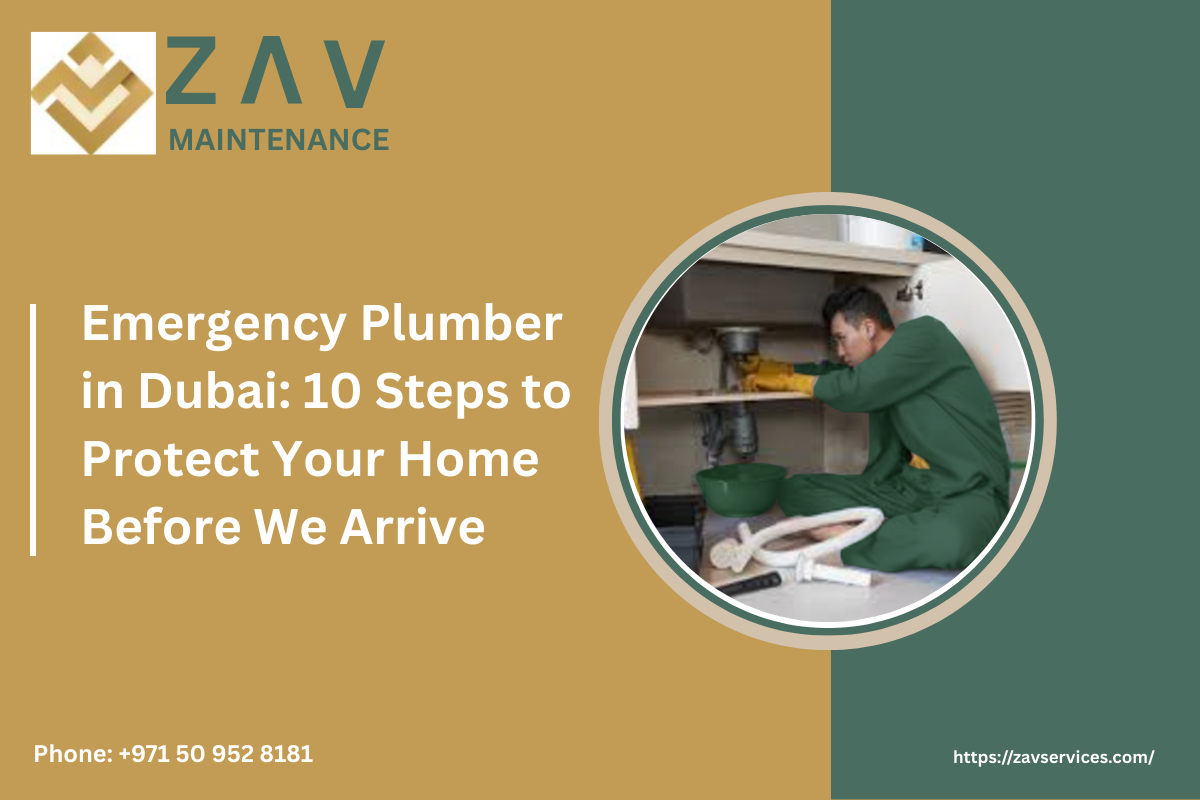
Dubai Municipality reports that 40 percent of home maintenance emergencies involve water leaks or burst pipes, a statistic driven by the city’s unique infrastructure challenges. Plumbing failures in Dubai homes escalate rapidly due to high-pressure water systems, aging building infrastructure, and extreme humidity fluctuations that stress pipe connections daily. Water spreads at alarming speeds during pipe bursts, electrical outlets become shock hazards within minutes, and mold colonies establish themselves in just 24 hours under Dubai’s humid conditions. This comprehensive guide provides the 10 exact emergency home maintenance steps to protect your property, minimize water damage, and ensure family safety before professional help arrives. Dubai’s pressurized plumbing systems operate at levels that can release hundreds of liters within minutes during failures, making immediate action critical for damage control. Why Plumbing Emergencies Happen So Often in Dubai Dubai’s building infrastructure and environmental conditions create plumbing vulnerability that exceeds most global cities. Understanding these regional factors helps homeowners recognize warning signs before emergencies develop. High Water Pressure in Dubai Buildings Many residential towers operate at 5–7 bar pressure, significantly above global residential averages. This elevated pressure ensures adequate water flow to upper floors in high-rise buildings but creates constant stress on plumbing components throughout the system. Pressure stress concentrates at connection points. Pipe joints, T-connections, angle valves, and mixer taps experience continuous force that gradually weakens seals and threads. Flexible hoses under sinks face particularly high failure rates due to pressure cycling during each water usage. Corrosion in Older Buildings Buildings constructed more than 12–15 years ago contain galvanized steel pipes experiencing internal corrosion. The chemical reaction between water minerals and metal creates rust buildup that progressively narrows pipe interiors while weakening walls. Corrosion manifests through multiple failure patterns. Pinhole leaks appear first as small drips that enlarge over weeks. Sudden pipe bursts occur when corroded sections collapse under normal pressure. Water heater tanks develop leaks as internal corrosion creates weak points in metal casings. Dubai’s Heat and Humidity Increase Pipe Stress Rapid temperature changes cause expansion and contraction inside plumbing systems. Outdoor pipes experience temperature swings from 45°C daytime heat to 25°C nighttime cooling. This thermal cycling creates microscopic cracks at joints and welded connections. AC condensation drain lines frequently clog in Dubai’s humid environment. Dust combines with condensed moisture, forming thick sludge that blocks drainage pathways. Backed-up water finds alternative routes, often penetrating walls and creating hidden moisture damage before visible leaks appear. Common Emergency Triggers Specific failure points account for the majority of emergency calls: ● Leaking water heaters – Internal corrosion or pressure valve failures release large water volumes into utility rooms or storage areas ● Burst flexible hoses under sinks – Rubber deterioration from heat and pressure causes sudden ruptures during normal usage ● Blocked drains overflowing – Hair, grease, and soap accumulation creates complete blockages that cause water backup ● Toilet backflow – Sewer line obstructions force waste water upward through toilet bowls ● AC water leakage flooding rooms – Clogged drain lines cause condensation pans to overflow, saturating ceilings and walls Pro Tip: If you live in older areas like Deira, Bur Dubai, or Sharjah border neighborhoods, check your pipe joints twice a year for signs of corrosion, moisture, or mineral deposits. Step 1 – Turn Off the Main Water Supply Shutting off water supply prevents 80 percent of potential damage during burst pipe emergencies. This single action stops additional water from entering your plumbing system, limiting the volume released into your home. Dubai homes feature water shut-off valves in predictable locations. Villa properties typically position the main valve near the DEWA meter outside the building perimeter. Apartment units contain individual shut-off valves inside utility rooms, kitchen cabinets, or hallway storage closets. Proper valve operation requires specific technique: ● Turn the red or blue valve handle clockwise until completely closed – Full rotation ensures water flow stops entirely rather than merely reducing pressure ● Apartment residents must close only the unit-specific valve – Building main valves control water to multiple units and should never be touched without management approval ● Villa owners locate valves near DEWA meters – External valve boxes sit adjacent to meter installations, usually within 2 meters of the property boundary wall Remember: Water spreads at approximately 1 liter per second during active pipe bursts. Turning off the main supply within the first minute can prevent thousands of dirhams in flooring, furniture, and electrical repairs. Step 2 – Switch Off Electricity in Affected Areas Water contact with electrical outlets creates immediate electrocution hazards. Dubai’s standard 220–240V electrical system delivers significantly higher voltage than many global regions, increasing shock severity and injury risk when water bridges electrical connections. Systematic power isolation protects household members and emergency responders: ● Switch off the circuit breaker controlling affected rooms – Kitchen and bathroom circuits typically operate on dedicated breakers clearly labeled in your distribution panel ● Shut down the main breaker if water contacts power strips or multiple outlets – Extensive flooding requires complete electrical isolation to prevent hidden current pathways through wet surfaces ● Keep children and pets away from affected areas – Water puddles may carry electrical current several meters from the original contact point Breaker panel location follows Dubai building standards. Most apartments position electrical panels near entrance doors or inside storage closets. Villas typically install distribution boards in utility rooms, garages, or external meter boxes adjacent to DEWA installations. Step 3 – Identify the Type of Plumbing Emergency Accurate emergency classification helps you communicate effectively with plumbers and apply appropriate containment measures. Different failure types require distinct response protocols. Burst Pipe Characteristic signs include loud hissing sounds, sudden water pressure drops throughout the property, and rapid flooding. Burst pipes release water continuously under full system pressure, creating visible streams or sprays from damaged sections. Wall-concealed bursts produce different symptoms: wet patches appear on painted surfaces, ceiling stains expand progressively, or
When to Call a 24-Hour Plumber in Dubai
When to Call a 24-Hour Plumber in Dubai Plumbing emergencies can strike at any time, often when least expected. Whether it’s a burst pipe in the middle of the night or a clogged drain during a weekend gathering, these issues can quickly escalate into costly disasters if not addressed promptly. In a bustling city like Dubai, where homes and businesses rely on seamless plumbing systems, knowing when to call a 24-hour plumber can save you from extensive water damage, health hazards, and unnecessary stress. This guide explores the most common plumbing emergencies that require immediate professional intervention, the risks of delaying repairs, and why choosing a reliable emergency plumbing service in Dubai is crucial for maintaining your property’s safety and functionality. Common Plumbing Emergencies That Require a 24-Hour Plumber 1. Burst or Leaking Pipes One of the most urgent plumbing issues is a burst or severely leaking pipe. In Dubai’s high-rise buildings and villas, water pressure fluctuations and extreme temperatures can weaken pipes over time, leading to sudden ruptures. A burst pipe can flood your home within minutes, damaging walls, flooring, and electrical systems. Signs you need an emergency plumber in Dubai: Ignoring a burst pipe can lead to mold growth, structural damage, and even electrical hazards. A 24-hour plumbing service can quickly locate and repair the leak before further damage occurs. 2. Severe Drain Blockages While minor clogs can sometimes be fixed with a plunger, persistent or recurring blockages indicate a deeper issue in your drainage system. If multiple drains are slow or water backs up into sinks, showers, or toilets, you may have a major blockage in the main sewer line. Warning signs of a serious clog: Attempting to fix a severe blockage with chemical drain cleaners can damage pipes, making the problem worse. A professional plumbing service in Dubai has specialized tools like drain cameras and hydro-jetting equipment to clear blockages safely and effectively. 3. Overflowing or Malfunctioning Toilets A toilet that won’t flush or continuously overflows is not just an inconvenience—it’s a sanitation hazard. If plunging doesn’t resolve the issue, the problem could be a broken flush mechanism, a blocked sewer line, or a malfunctioning septic system. When to call a 24-hour plumber in Dubai: Delaying repairs can lead to contaminated water spreading through your home, posing serious health risks. Emergency plumbers can quickly diagnose and fix the issue, preventing further damage. 4. No Hot Water or Water Heater Failure In Dubai’s cooler months, a malfunctioning water heater can be a major inconvenience. If your heater is leaking, making strange noises, or not producing hot water, it may need immediate attention. Possible causes of water heater failure: A professional plumbing service can inspect your water heater, perform necessary repairs, or recommend a replacement if needed. 5. Gas Leaks (If Connected to Plumbing Systems) Though gas leaks are rare, they are extremely dangerous. If you smell gas (a rotten egg odor) near your water heater or gas lines, evacuate immediately and call emergency services. Once safe, a licensed 24-hour plumber in Dubai can inspect and repair gas line issues to prevent fire hazards. Why You Should Never Delay Emergency Plumbing Repairs Many homeowners make the mistake of postponing plumbing repairs to save money, but this often leads to more expensive problems, including: Calling a 24-hour emergency plumber in Dubai at the first sign of trouble minimizes damage and keeps your home safe. Choosing the Right 24-Hour Plumbing Service in Dubai Not all plumbing companies offer reliable emergency services. When selecting a plumber in Dubai, consider: At ZAV Services, we provide emergency plumbing solutions across Dubai, ensuring quick response times and expert repairs. Whether it’s a burst pipe, sewer backup, or water heater failure, our team is ready to help—day or night. Final Thoughts Plumbing emergencies require swift action to prevent costly damage and health hazards. If you encounter any of the issues mentioned above, don’t hesitate to call a trusted 24-hour plumber in Dubai. Regular maintenance and prompt repairs can extend the lifespan of your plumbing system and keep your home safe. For reliable emergency plumbing services, visit ZAV Services toda